
In one of His parables, Jesus gives us a picture of the believer’s journey—a journey that begins the moment we place our faith in Him. He said:
“No one, when he has lit a lamp, covers it with a vessel or puts it under a bed, but sets it on a lampstand, that those who enter may see the light. For nothing is secret that will not be revealed, nor anything hidden that will not be known and come to light. Therefore take heed how you hear. For whoever has, to him more will be given; and whoever does not have, even what he seems to have will be taken from him.” —Luke 8:16-18
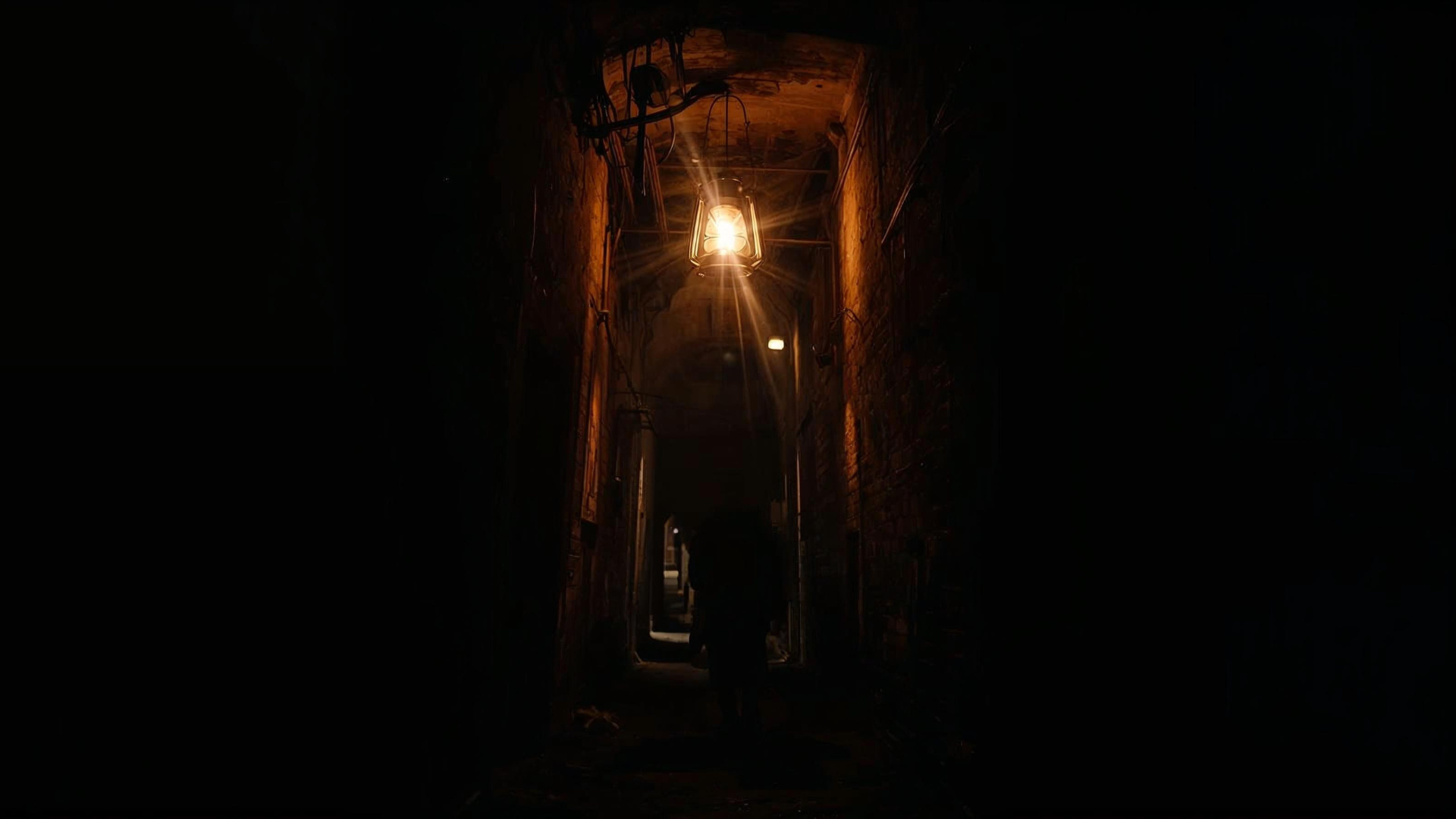
Here the Lord draws our attention to a few simple but weighty things: a lamp, a lampstand, those who enter, and the light itself. The lamp must be lifted high—set on the lampstand—so that everyone who enters can see the light.
Here are some lessons from the parable.
The Lamp
Psalm 119:105 teaches, “Your Word is a lamp to my feet and a light to my path.” Here the psalmist identifies God’s Word as the lamp—the believer’s guiding illumination.
But why does the psalmist say “God’s Word is a lamp to my feet? “ Why not say, “God’s Word is a lamp to my eyes?” It would make natural sense since the human sense of sight is coordinated by eyes.
Because the Christian life is a journey—a walk that begins when we repent and believe in Christ. And this is a spiritual walk lived by faith, not by sight. That is why Scripture describes God’s Word as a lamp for our feet—it guides our steps as we move forward in faith.
Our feet tell the story of our spiritual movement:
- Forward when we grow in knowledge of God and obedience.
- Backward when we retreat from faithfulness.
- Sideways when we get distracted from the narrow way.
- Stationary when we fail to mature.
Hebrews 5:12-14 confronts this reality. The writer rebukes believers who should have matured enough to teach others, yet still needed basic instruction. They should have moved forward, but instead had stagnated—or drifted sideways.
God’s Word is the light that guides our path.
The Lampstand
If God’s Word is the lamp, then what is the lampstand on which it must be placed? Jesus says, “No one, when he has lit a lamp, covers it… but sets it on a lampstand” (Lk. 8:16).
Christians are the lampstands. God’s Word—the lamp—must be upheld, displayed, and lived out in the believer.
Light For The Believer’s Journey
The psalmist also says that God’s Word is a light to our path (Ps. 119:105). This path is the Christian’s journey of faith. God has provided His Word to guide us along the way.
Just as cities light their streets for the safety of their residents, God has not left our spiritual path in darkness. He has given us His Word to illuminate it. Each believer must set up this light within themselves. Yet many choose to walk by their own wisdom instead of God’s Word, ignoring His instruction not to lean on their own understanding (Prov. 3:5–6). No one can walk the journey of faith in Christ without the light of His Word.
Paul reminds us: we are children of the light, children of the day. We do not belong to the night or to the darkness. This means God’s Word must always be upheld in our lives. And the value of always upholding God’s Word in our lives is that, by that light, we see everything clearly. God’s Word becomes the lens through which we understand the world.
Another advantage of upholding God’s Word is that with our path well lit, we can see the enemy coming long before he reaches us and prepare to stand firm and fight (1 Pe. 5:9) or flee (2 Tim. 2:22). Illumination exposes temptation before it ensnares.
But when we walk in darkness, we misjudge everything—fearing what is harmless and embracing what is dangerous. Many believers stumble because they try to walk the journey of faith without the light of Scripture. No wonder we are easily tossed to and fro by every wind of doctrine, by human cunning and by deceitful schemes (Eph. 4:14). Without God’s Word set firmly in our hearts, we are easy prey.
Light For Others To See
Jesus also teaches that the lamp is placed on a lampstand “so that those who enter may see the light” (Lk. 8:16).
This indicates that the believer’s illumination of God’s Word is not merely personal but missional. But who are ”those who enter?” and where do they enter?
Family, neighbors, friends, colleagues—these are the ones who “enter” and they enter our lives. And when they do, what greets them? Do they see the light of God’s Word shining in you, or do they simply see you?
Jesus calls us to shine: “Let your light so shine before men, that they may see your good works and glorify your Father in heaven” (Matt. 5:16). If the focus is on the believer rather than the Father, and those who enter can only see you, not the light, the lamp needs to be lifted again.
You may be the only light some will ever encounter. Keep it burning. You may be the only Bible they ever read. Keep shining.
On a dark path, everyone gathers around the one with the flashlight. But when that light goes dark, it becomes the blind leading the blind. Once, the light shining through believers shaped societal ethics and public morality. But the diminishing of that influence reflects the church’s increasing susceptibility to cultural darkness. Scripture warns against being shaped by the world rather than by God’s Word (Rom. 12:2).
Furthermore, the enemy’s counterfeit “light” must be discerned. Satan masquerades as an angel of light (2 Cor. 11:14), offering diluted doctrine, false assurance, and repentance‑less religion. The believer must ensure that the light shining from their life is authentically God’s Word.
Thus the question stands: What light do those who enter your life see?
Don’t Cover The Light
Scripture tells us plainly not to cover the light. This command protects us, and it blesses those who enter your life. Yet many believers hide the light under the guise of social “niceness,” compromising biblical truth to avoid offense or being misunderstood—particularly regarding culturally contested doctrines such as marriage and gender.
Others conceal the light out of fear—fear of public scrutiny, fear of standing out. Shining the light of God’s Word draws attention and puts them in the spotlight, and the pressure pushes them into hiding. They become closet Christians.
But Christians are not called to antagonize unbelievers, nor are they called to hide from darkness. John writes that Jesus is the light shining in the darkness, and the darkness has not overcome Him (John 1:5). His example demonstrates that truth can be proclaimed without hostility yet without compromise. The oft‑quoted wisdom of Francis of Assisi, “Preach the gospel at all times and if necessary, use words,” underscores this balance: the gospel is proclaimed through both life and speech.
Your responsibility is not to force others to see the light. Your job is simply to set it up. Let it shine. Those who enter your life will see it. How they respond is not your burden—you did not create the light; you are only the lampstand. Do not apologize for upholding God’s Word.
So lift the lamp high. Do not cover God’s Word.
The Light Exposes All
Jesus’ words—“nothing is secret that will not be revealed, nor anything hidden that will not be known and come to light”—teach an important truth about the nature of light. Light exposes. Darkness cannot remain when light shines.
When others enter your life and encounter the light of God’s Word within you, hidden things naturally come into view. This exposure produces one of two responses:
- Conviction leading to repentance, which is the gracious work of the Holy Spirit.
- Condemnation leading to spiritual death, which is the destructive work of the devil.
The stark truth is, if you want to know how dark anything truly was, step into the light.
Believers understand this transformation personally—we once walked in darkness, but now walk in the light of Christ (Eph. 5:8).
Keep The Lights On
We came to Christ because we heard the gospel. “Faith comes by hearing, and hearing by the word of God” (Rom. 10:17). Jesus’ command to, “Take heed how you hear“ (Luke 8:18) underscores the ongoing necessity of receiving God’s Word.
Hearing God’s Word keeps the lights on. Stop listening, and the flame begins to fade. Ignore God’s Word long enough, and the light dies out altogether. And when your light goes out, it affects you—and everyone who once depended on your light.
Cities repair broken streetlights so people can walk safely. In the same way, believers must keep returning to Scripture, letting it strengthen and brighten their path. Corporate fellowship is valuable, but it cannot replace the steady intake of God’s Word that keeps the light burning brightly.
Keep the light burning.
More Will Be Given
Jesus concludes His warning with a principle: “Therefore take heed how you hear. For whoever has, to him more will be given; and whoever does not have, even what he seems to have will be taken from him.”
This principle teaches that spiritual growth depends on how we uphold God’s Word. When the Word burns brightly in your life, God adds more—more faith, more understanding, more discernment, more sanctification.
Conversely, when the light is dimmed or covered, even the little glow one seems to have is taken from them. To seem to have, is to give an impression of being something or having a particular quality when you actually don’t. For Christians who do not have God’s Word upheld in them, even the semblance of spiritual life they seem to have, what they give an impression of having is taken from them.
Jesus explains what happens in the parable of the sower:
- The devil takes the Word before it can take root.
- Temptation causes shallow faith to collapse.
- The cares, riches and pleasures of life choke out the Word in distracted hearts.
The enemy is not content to steal—he comes back to kill and destroy. When the light of God’s Word dims, we begin to walk in darkness again. We may still look godly on the outside, giving an impression, but without the light in us, it is only a matter of time before the illusion collapses. A dim lamp cannot pretend forever.
Let the Word shine fully. God gives more to those who keep His light burning.
Acceptance without repentance
The world increasingly demands acceptance without repentance. It views biblical faith as restrictive, outdated, or offensive. The pressure is subtle: believers are not asked to abandon their faith entirely, only to dim it—just enough to avoid conflict or discomfort. Many Christians assume this is a small concession, but it leads to compromised convictions and, eventually, spiritual collapse.
Scripture offers a different perspective. Believers are lampstands—we hold the light of God’s Word; we do not generate it. The Great Commission does not call us to go into the whole world and make people feel accepted without repentance, but it calls us to make disciples by teaching them to obey everything Christ commanded. Discipleship without repentance and obedience is incomplete and misleading.
When Christians dim the light to appease the world, they obscure the very truth that brings life. When we refuse to teach obedience, we fail in our mission. We hide the light that the lost world desperately needs.
Therefore, the call is clear: let the light of God’s Word shine fully. It is the light that illuminates our path and leads others to Christ.
Amen.
